Throughout the history of the Craft, Music has held a sacred place as one of the noble arts and sciences. Far from mere accompaniment, harmony is a fundamental component of Masonic gatherings, lifting the mind and uniting brethren in fraternal concord.
Mozart: The Maestro of Vienna
Initiated in 1784 into Lodge Zur Wohltätigkeit (Charity) in Vienna, Wolfgang Amadeus Mozart was an active, knowledgeable Mason. When political restrictions were placed on assemblies by Emperor Joseph II, Mozart infused his opera The Magic Flute (1791) with themes of universal brotherhood, virtue, and enlightenment overcoming darkness. Its overture famously opens with three solemn brass chords, while the storyline celebrates truth and wisdom.
Sullivan: Grand Organist of England
A century later, Sir Arthur Sullivan, of Gilbert and Sullivan renown, was appointed Grand Organist of the United Grand Lodge of England in 1887. Sullivan composed majestic music for royal Masonic ceremonies, and his beloved hymn, Onward, Christian Soldiers, was embraced internationally by the Masonic Order of Knights Templar as a processional anthem.
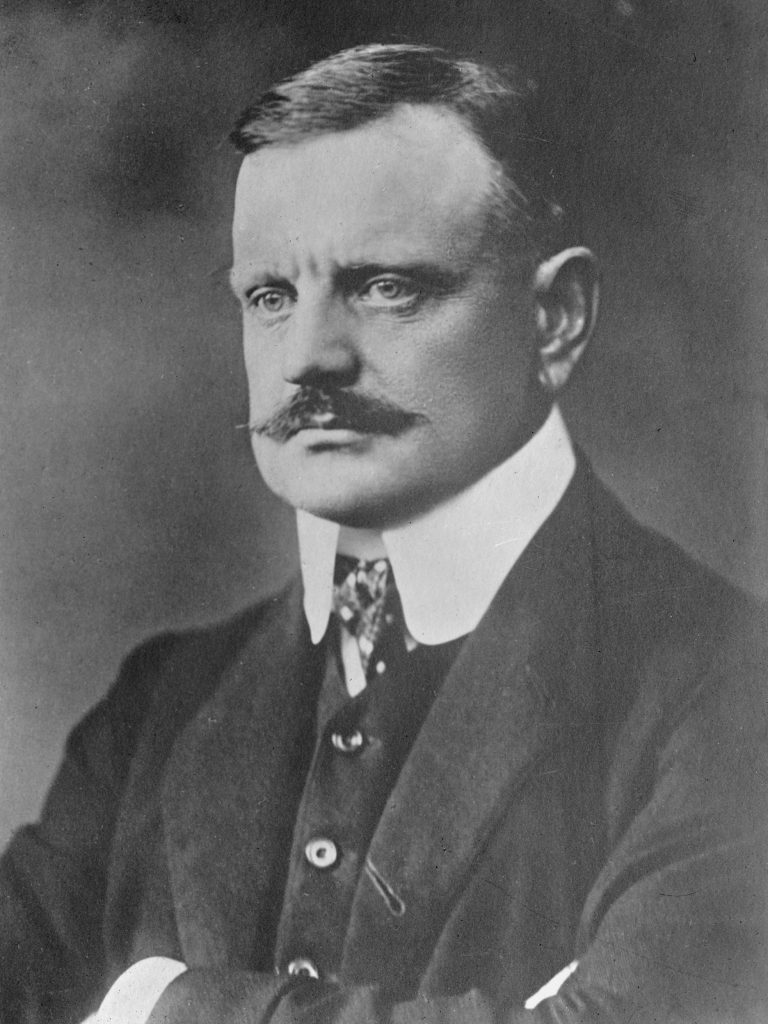
Sibelius: Finland’s Sacred Suite
In the 20th century, the Finnish composer Jean Sibelius served as the first Grand Organist of the Grand Lodge of Finland. In 1927, he composed Opus 113, Masonic Ceremonial Music, a complete nine-part suite designed specifically for lodge assemblies. Sibelius later presented an English translation of this work to the Grand Lodge of New York, where it remains in regular use today.
For Canadian Freemasons, music remains the acoustic expression of geometry, reminding the brethren that harmony is the strength and beauty of all fraternal institutions.